PawOrPass
Quick answer by cat
| Your cat | Quick answer |
|---|---|
| Kitten with the shot series done (around 16 weeks) | Usually yes |
| Young, social adult | Try a 10 to 20 minute visit |
| Former housemate or littermate | Often yes |
| Shy adult that hides from guests | Usually no |
| Senior cat | Usually no |
| History of spraying or fighting | No, ask your vet |
How to set up a cat playdate, step by step
Here is how to do a cat playdate in a way that gives both cats the best chance. Sort out the health checks further down first. The more cautious cat sets the pace, not the humans.
- Swap scents a few days before. Trade a blanket or small towel each cat has slept on, and put it near the food bowl. If your cat sniffs it and walks off, good. If it hisses at it or sprays it, rethink the plan.
- Bring the visitor in a carrier. Never in your arms. A startled cat in a strange place can bolt out an open door. A towel over the carrier helps on the way.
- Start in a separate room. Set up a quiet room for the visitor with the door shut. Open the carrier and let the cat come out on its own time.
- Introduce through a barrier. Use a baby gate, a screen door, or a door propped open about two inches with a doorstop. Let the cats see and sniff each other for a few minutes. Slow blinks and curious sniffing are good. Hissing that doesn't fade within a minute or two means you stop for today.
- Play with wand toys. Once the barrier comes down, have one person and one wand toy per cat. Each cat gets its own lure, so there's nothing to fight over, and the play burns off nervous energy.
- Give treats near each other. Toss treats a few feet apart, then a little closer. Eating calmly near another cat is a big sign of comfort.
- Keep the first visit to 10 to 20 minutes. Short and good beats long and tense.
- Provide high perches and escape routes. A cat tree, shelves, a chair to hide under, the open carrier. A cat that can climb away or hide is far less likely to fight.
- Set out a litter box and water for the visitor. Put them in the visitor's room, and use litter it already knows if you can.
- End on a calm note. Stop while both cats are relaxed, not right after a scuffle. Distract them with a toy or treats and guide the visitor back to its carrier.
One more thing to know: after the visit, the guest cat may smell strange to its own housemates. If they hiss at it when it gets home, give it a few hours in a separate room and rub it with a cloth that smells like home. This usually passes within a day.
Cat playdate checklist at a glance
Print it or keep it on your phone. Each line is explained further down.
Days before
- Vaccines current, FeLV and FIV status known, fleas and worms treated
- Swap a blanket or towel each cat has slept on
- Set up a quiet room for the guest with a litter box, water and a hiding spot
Arrival
- The guest arrives in a carrier, never in someone's arms
- Open the carrier in the quiet room and let the cat come out on its own
- First look through a baby gate or a door open about two inches
During
- One person and one wand toy per cat
- Perches and hiding spots open, so either cat can get away
- Stop for flat ears, a puffed tail or hissing that doesn't settle
- End after 10 to 20 minutes, while both cats are calm
After
- Watch both cats for a day or two for hiding, skipped meals or litter box misses
Why many adult cats dislike playdates
Lots of dogs enjoy meeting new dogs. Most adult cats don't. A cat's home is its territory, mapped out by scent from cheek rubs, scratching posts and the litter box. A new cat walking in smells like an intruder, not a guest, and your cat has no way of knowing the visit ends in an hour.
Routine matters too. Cats like the same people, the same rooms and the same schedule. A visiting cat breaks all three at once.
The tricky part is that stress often shows up later, after the guest has gone home. Watch your cat for a day or two for:
- Hiding more than usual, or sleeping in odd places
- Eating less, or skipping meals
- Peeing or pooping outside the litter box
- Spraying urine on walls, doors or furniture
- Over-grooming, sometimes down to bald patches
- Swatting or hissing at another pet or a person in the house (vets call this redirected aggression)
If a cat refuses food for more than a day, call your vet. Cats that stop eating can get sick fast, especially heavier cats.
When playdates can work
Some cats really do enjoy company. Your odds are best with:
- Kittens. Young kittens are still learning who is a friend and who is a threat. Most will play with almost any kitten their size once both have finished their shots.
- Littermates and old friends. Cats that grew up together or lived together before often pick up where they left off, though a long gap can reset things.
- Confident, social cats. The cat who greets every visitor at the door and naps on guests' laps is a better bet than the one under the bed.
- Cats already living happily with other cats. They know cat manners and are used to sharing space.
- Similar age and energy. A one-year-old who wants to wrestle will wear out a 12-year-old who wants to nap. Mismatched energy is a common reason visits go sour.
Poor fits: cats that hide from visitors, seniors, cats with health problems, and any cat that has gone after another cat through a window. Also wait if your cat is dealing with other change right now, like a move or a new baby.
Health checks first
Cats pass germs and parasites through shared bowls, litter boxes, grooming and play. Before the cats share a room, both owners should check:
- Vaccines are current, based on what each cat's vet recommends
- FeLV and FIV status is known. Both are viruses that spread between cats, and a quick blood test at the vet gives you the answer
- Fleas, worms and ear mites are treated
- No sneezing, runny eyes, diarrhea or patchy hair loss (a sign of ringworm, a skin fungus that spreads by touch)
- Both cats are spayed or neutered. Intact cats are more likely to spray, fight or go into heat during the visit
- Your vet knows the plan and has no concerns
Be open with the other owner about your cat's health, and expect the same back. If either cat seems a little off on the day, reschedule. Pushing it back a week is no loss.
How to do a kitten playdate
Wait until the kitten shot series is done, usually around 16 weeks. Pair kittens of similar size, keep visits to 15 to 30 minutes, set out two beds for naps and stay in the room the whole time.
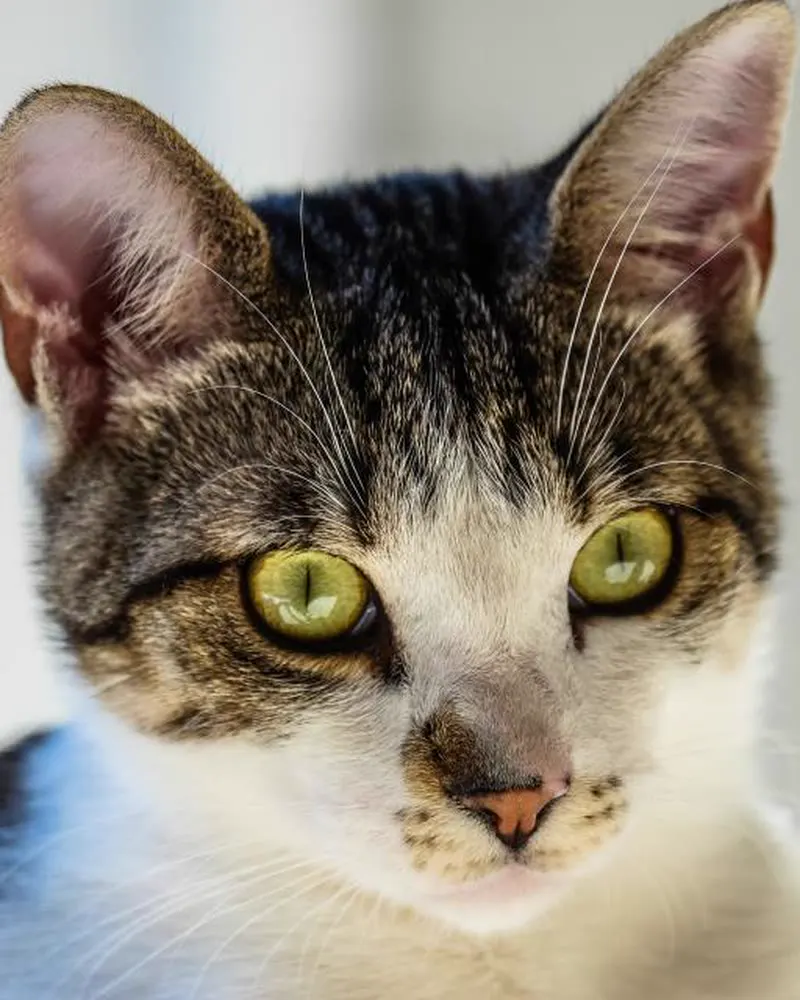
Kittens are the easiest case. They are still learning how to read other cats, and play is how they practice. A kitten raised without littermates often bites and scratches hands too hard, because no other kitten ever squeaked and stopped playing. A regular playmate teaches that lesson better than you can.
Some kittens finish their shots later than 16 weeks, so check with your vet first. The details:
- Keep visits short. 15 to 30 minutes is plenty. Kittens play hard, crash and nap.
- Supervise closely. Stay in the room the whole time. Kittens get into wires, gaps behind appliances and open windows, and two kittens find trouble twice as fast.
- Match sizes. A 4-month-old and an 8-month-old are very different in size and strength. Pair kittens close in age or weight.
- Plan nap breaks. Set out two separate beds. A tired kitten turns cranky, and cranky play turns into real swats.
- Learn kitten play. Kittens do a bouncy sideways hop with an arched back. In play it comes with ears forward, no hissing and a pounce, and that's fine. The same arch with a puffed tail, flat ears and hissing is fear.
Going well or time to stop?
Cat play can look rough. Wrestling, chasing and soft bites are normal. What matters is whether both cats are into it.
| Watch | Going well | Time to stop |
|---|---|---|
| Ears | Up and facing forward | Flattened back or turned out sideways |
| Tail | Held up, relaxed, maybe curved at the tip | Puffed up, lashing hard, or tucked under |
| Body | Loose, rolls over, slow blinks | Stiff, crouched low, or a sideways arch with hissing |
| Sounds | Quiet, maybe a chirp | Hissing or growling that doesn't settle, yowling |
| Play | Pauses, taking turns chasing, quiet wrestling | One cat always chasing, yowling swats, fur flying |
| After a break | They come back to each other | One cat hides and won't come out |
| Marking | Normal cheek rubs on furniture | Spraying or peeing outside the box |
One hiss isn't a reason to quit. Cats hiss to say "too close." If it settles in a minute or two and the cats go back to sniffing, carry on. If it repeats or gets louder, end the visit.
If a fight starts, never use your hands. Slide a towel, a cushion or a flat piece of cardboard between the cats. A loud clap can also break it up. Then put each cat in its own room to calm down for at least an hour. Cat bites get infected easily, so wash any bite with soap and water and call a doctor the same day.
How long should the first visit last?
Ten to 20 minutes. Build up only if both cats stay relaxed. A simple plan:
- Visit 1: 10 to 20 minutes, mostly barrier time and treats.
- Visit 2: 20 to 30 minutes, with some wand-toy play in the same room.
- Visit 3 and on: up to an hour, if both cats eat, play and rest near each other.
Space visits a few days to a week apart, and give it three or four tries before you decide. One awkward meeting isn't a verdict. But if the cats are more tense on the third visit than the first, they are telling you something. Cats still hissing by then rarely come around.
Better options for cats who hate playdates
If your cat wants nothing to do with other cats, that's normal, not a problem to fix. A happy indoor cat needs play and things to watch more than it needs cat friends. Try:
- Interactive play at home. Two or three sessions a day of 10 to 15 minutes with a wand toy. Let your cat stalk, chase and catch, then finish with a treat or a meal, like the end of a hunt.
- Window perches. A shelf or cat tree by a window with a view of birds is cat TV. A bird feeder outside makes it even better.
- Puzzle feeders. Let your cat work a little for dry food or treats.
- Friendship between owners. You and the other cat owner can still hang out, trade cat-sitting and swap tips. The cats don't need to meet for that.
And if you are wondering whether your cat is lonely enough for a second cat, a playdate won't answer that. Living together is a different thing, and it takes a slow introduction over weeks, ideally with your vet's advice.
Finding a kitten playmate
The hard part of a kitten playdate is often finding another kitten nearby, close in age, with an owner who takes health checks as seriously as you do. PawOrPass is a swipe app where every profile is an animal, and it's coming soon to iPhone and Android. You'll be able to filter by animal, breed, what you're looking for (like playdates) and distance, then paw the cats you like. A paw can carry a short note, a good spot to mention age and shots. When both sides paw, it's a match, and you can chat to plan that first short visit.

Smokey 5 months
Wrestles anything with a tail, then naps in the sun. Shots done. Looking for a kitten pal nearby.
- Up for playdates
- Kitten
- Indoor cat
See what's planned for cats on our cat playdate app page, or read how the pet matching app works. Got a dog too? The dog playdate checklist covers the dog side.
Common questions
Do cat playdates work?
For kittens and some young, social cats, yes. They often play hard and settle in fast. For most adult cats, not really. Cats are territorial, and short visits every few weeks are rarely enough for two grown cats to warm up. Try a few short, careful visits and let your cat's body language decide.
How long should a cat playdate last?
Keep the first one to 10 to 20 minutes. If both cats stay relaxed, stretch later visits to 30 minutes, then up to an hour. Kittens do best with 15 to 30 minutes plus a nap break. Always end while things are calm.
Should the playdate be at my home or theirs?
Neither home is neutral for a cat. Pick the home of the cat who is more relaxed with guests, and let the visitor be the cat who travels well, one that rides in a carrier without panic and will eat treats in a new place. Skip parks and yards. Cats don't play in public spaces the way dogs do, and a scared cat outdoors can run off.
Can two adult cats become friends?
Yes, but it usually takes weeks of living together with a slow introduction, not a few visits. Adult cats who only see each other now and then often settle at polite tolerance. Cats that already like other cats, and are close in age and energy, have the best odds.
What age can kittens have playdates?
Once the vet says the kitten shot series is complete, usually around 16 weeks old. Both kittens should also be treated for fleas and worms and show no sneezing or runny eyes. Before then, kittens can play with healthy cats in their own home if the vet agrees.
How do I set up a kitten playdate?
Wait until the kitten shot series is done, usually around 16 weeks. Pair kittens close in age and size, keep the visit to 15 to 30 minutes, set out two separate beds for nap breaks and stay in the room the whole time. Stop if bouncy play turns into hissing, flat ears or a puffed tail.