PawOrPass
The checklist at a glance
This dog playdate checklist fits on one printed page. Each line is explained further down.
Before
- Ask the other owner about age, size, play style, guarding and triggers
- Check that both dogs' vaccines are current, as your vets recommend
- Postpone if either dog is sick, coughing or in heat
- Pick a neutral, fenced, quiet spot
- Pack water, a bowl, poop bags, a towel, treats and a small first-aid kit
- Leave toys, chews and food at home
Meeting
- Walk side by side, 6 to 10 feet apart, for 10 to 15 minutes
- Keep leashes loose, and skip retractable leashes
- Allow a 3-second sniff, then walk on
- Repeat the sniff two or three times if both stay relaxed
- Unclip leashes once you're inside the fence
During
- Watch for play bows, loose bodies and turn-taking
- Call both dogs out for a short break every few minutes
- Run the consent test if one dog seems overwhelmed
- Offer water and shade
- Keep phones in pockets
- Wrap up after 20 to 30 minutes, while both still want more
After
- Water and a quiet rest
- Check paws, ears and coat for scratches, burrs and ticks
- Watch for a cough over the next two weeks
- Text the other owner and plan the next one
How to set up a dog playdate
Most of the work happens before anyone leaves the house. Here are the six steps in order, with details on each below.
- Ask the other owner about age, size, play style, guarding and triggers.
- Check health. Both dogs current on vaccines, as your vets recommend, and neither one sick or in heat.
- Pick the place. Neutral, fenced and quiet, somewhere neither dog calls home.
- Pack the bag. Water, a bowl for each dog, poop bags, a towel, treats and a first-aid kit. Toys and food stay home.
- Start with a parallel walk. 10 to 15 minutes side by side, then short sniffs, then off leash inside the fence.
- Keep it short. 20 to 30 minutes of play, ending while both dogs still want more.
Questions to ask the other owner
- Age and size. Similar size is easier. A 70-pound dog can hurt a 10-pound dog by accident, even in friendly play. If the gap is big, keep the leashes on longer and the first session shorter.
- Play style. Is the dog a wrestler, a chaser or a tugger? Two wrestlers usually get along. A body-slamming wrestler and a dog who only likes to run often don't.
- Energy. A one-year-old herding dog can wear out a calm 9-year-old in minutes, and the older dog may snap to make it stop.
- Guarding. Does the dog guard toys, food, sticks, water bowls or its owner? A yes is fine to hear. It just means nothing worth guarding comes out.
- Triggers. Fast dogs, being sniffed from behind, hands near the collar, kids, bikes. Anything the owner already knows about.
- Recent illness. A cough, vomiting or diarrhea in the past two weeks means wait.
- Spayed, neutered or intact? A female in heat should skip playdates until it's over, usually 2 to 3 weeks. Two intact males can be tense with each other, so go slower.
Be just as honest about your own dog. "She's sweet but gets mouthy when she's tired" is useful. "He's fine with everyone" is rarely the whole story.
Health basics
Both dogs should have current vaccines, as their vets recommend. In the US that means the core shots, rabies and the distemper-parvo combo, at a minimum. Kennel cough (Bordetella) protection is often asked for in group settings, and in some areas vets also suggest canine flu or leptospirosis shots. Flea, tick and worm prevention should be current too, since parasites spread easily during close play.
Puppies are a special case. Early meetings with calm dogs help them grow into relaxed adults, but their immune systems are still catching up. Ask your vet when your puppy can meet other dogs. Many vets are fine with one-on-one time with a healthy, fully vaccinated adult in a private yard before the puppy series ends, usually around 16 weeks, but say to stay out of dog parks until after it.
Where to meet
Pick a place that is neutral, fenced and quiet. Neutral means neither dog lives there, so neither feels it has to defend its turf. Fenced lets you drop the leashes. Quiet means no other dogs running up to join. Good options are a friend's fenced yard where neither dog lives, a private dog yard you can rent by the hour, or a fenced park area that allows dogs, early on a weekday.
A busy dog park is a poor choice for a first meeting. There are too many dogs, you don't know their health or habits, and dogs tend to crowd new arrivals at the gate.
What to pack
- Water and a bowl for each dog, since sharing a bowl can set off guarding
- Poop bags, more than you think
- A towel for mud, drool and wet paws
- A 15 to 30 foot long line for a dog with shaky recall
- Small, tasty treats for calling your dog back, kept in a closed pocket
- A basic first-aid kit: gauze, self-sticking wrap, saline and a tick remover
- Your vet's number and the address of the nearest emergency vet
Leave toys, balls, chews and food at home for the first meeting. That's where many scuffles start between dogs who otherwise get along.
How to introduce dogs for a playdate
The first five minutes set the tone, so take them slowly.
- Walk first. Meet a block away from the play area. Walk the dogs in the same direction, about 6 to 10 feet apart, with the people between them, for 10 to 15 minutes. Walking together lets them check each other out without facing off. Close the gap a little at a time if both stay loose.
- Short sniff. Let them meet nose to rear, leashes loose, for about 3 seconds. Then say your dog's name in a happy voice and walk on. Repeat two or three times. Short hellos keep tension from building.
- Into the fence. Go in together, walk one lap, then unclip. If a dog has shaky recall, let a light long line trail behind so you can step on it. Take it off once wrestling starts, since lines wrap around legs.
Why loose leashes matter: dogs greet each other in a curve, sniff, and move away when they need space. A tight leash pulls a dog head-on and upright, which looks like a challenge to the other dog. It also takes away the option to back off, so a nervous dog may warn or snap instead. Dogs also feel it when you tense up. Keep your hands low and your arms soft.
If either dog stares, goes stiff or lunges during the walk, add distance and keep walking. Some pairs need two or three walks before they're ready to play. Some never are, and that's fine.
Good play vs. time to step in
Good dog play looks silly. It's loose, bouncy and full of pauses. Trouble usually looks stiff, quiet and one-sided.
| Good signs | Time to step in |
|---|---|
| Play bows: front end down, rear in the air | A stiff body or a sudden freeze |
| Loose, wiggly bodies and a soft, open mouth | A hard stare, a tight closed mouth, the whites of the eyes showing |
| Bouncy, over-the-top moves | Fast, straight-line charges with no bounce |
| Taking turns chasing and being chased | One dog always chasing, the other always running |
| Self-handicapping: the bigger dog lies down or plays softer | Pinning without letting the other dog up |
| Short pauses and shake-offs, then back to play | Growling that gets lower and longer, with lips pulled back |
| Both dogs keep coming back for more | One dog trying to escape, or hiding behind its owner or under a bench |
Play growls and noisy wrestling are normal for many dogs. Read the whole body, not just the sound. Call both dogs out every few minutes for a 10-second break anyway. Short pauses keep excitement from boiling over.
The consent test
Not sure both dogs are having fun? Gently hold the dog doing more of the chasing or pinning, by the harness, for about 5 seconds. Let the other dog choose. If it comes right back and invites more play, it's a game they both like. If it walks off, sniffs the ground or goes to its owner, it needed a break. Give both a minute before play starts again.
If a scuffle starts
Most dog squabbles are loud and over in seconds. Don't reach between the dogs or grab collars near their faces. That's how owners get bitten. Clap loudly or call them, then slide something between the dogs, like a board, a chair or a bag. If they hold on, each owner lifts their dog's back legs like a wheelbarrow and walks backward. Afterward, check both dogs for punctures, which can hide under fur, and call your vet about any bite wound, even a small one.
How long should a dog playdate last?
- First meeting: 20 to 30 minutes of play. Ending early leaves a good memory for next time.
- Adult dogs who already get along: 45 to 60 minutes, with a water and rest break every 10 to 15 minutes.
- Puppies: 10 to 15 minute bursts with naps in between. Overtired puppies get bitey and cranky, a lot like toddlers.
- Older dogs: 15 to 20 minutes, or whatever they choose. Let them leave the game whenever they want.
Heat changes everything. Above about 80°F, keep it short and in the shade, and bring extra water. Flat-faced breeds like pugs and bulldogs overheat faster. Stop at once for heavy panting that won't settle, thick drool, bright red gums or wobbly legs. Cool the dog with water and call a vet.
Also wrap up when you see tired signs: slower play, lying down, ignoring your calls, or play that turns rough. Tired dogs make worse choices.
Dog playdate etiquette for owners
- Be honest about your dog. Mention guarding, reactivity or rough play before you meet, not after.
- Pick up after your dog every time, and offer a bag if the other owner runs out.
- Ask first before bringing kids, a friend or a second dog. Every new face changes how the dogs act.
- Don't feed the other dog without asking. Allergies, diets and guarding are all good reasons for a no.
- Phones away. Snap one photo, then watch the dogs. Trouble usually builds over a minute or two of nobody looking.
- Don't let them "work it out." Step in early and calmly.
- Never punish a growl. A growl is a warning. Take it away and some dogs skip straight to snapping.
- It's OK to end early. "I think Ziggy's had enough for today" is all anyone needs to say.
- Follow up. Send a quick text the same day, and speak up if your dog gets a cough or an upset stomach in the next two weeks.
After the playdate
- Water and rest. Offer water, then let your dog settle somewhere quiet. Big, deep-chested dogs should wait about an hour before a large meal.
- Check the body. Run your hands over paws, between toes, ears and coat. Look for scratches, burrs, grass seeds, ticks and small punctures.
- Watch for a cough. Kennel cough often shows up 3 to 10 days after contact. A honking cough means call your vet and let the other owner know.
- Note what worked. How long before they got tired? Any tense moments? What did they love?
- Plan the next one. If it went well, go a little longer next time. One steady buddy you see often is usually better than a new dog every week.
Finding a playdate match
Often the hardest part is finding the right dog nearby. PawOrPass is an upcoming swipe app for dogs, cats and horses, coming soon to iPhone and Android. Filter for playdates and the distance you'll travel, paw a dog whose profile says "Up for playdates" and add a short note, like "Ziggy needs a fetch buddy. Playdate this weekend?" If the other owner paws back, it's a match and you can chat to plan the details. See how pet matching works on PawOrPass for the full flow.
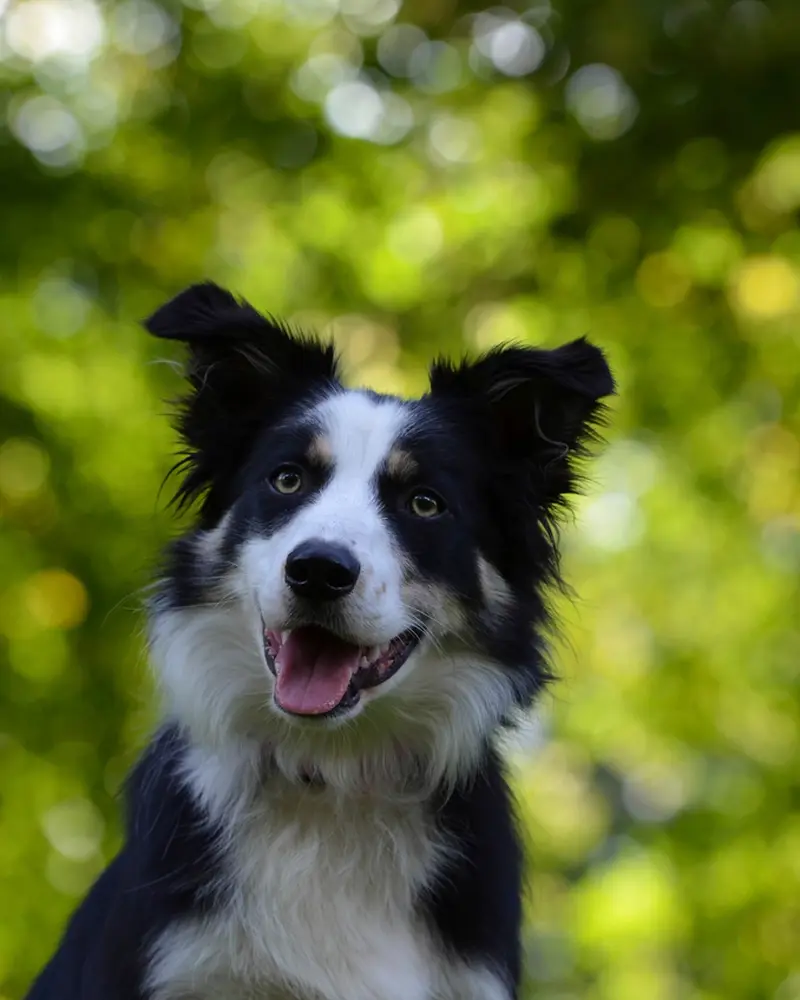
Ziggy 2
Needs a fetch buddy with energy to burn.
- Up for playdates
- Loves fetch
Common questions
How long should a dog playdate last?
For a first meeting, aim for 20 to 30 minutes of play and stop while both dogs still want more. Adult dogs who already get along can play 45 to 60 minutes with a break every 10 to 15 minutes. Keep it shorter for puppies, older dogs and hot days.
Are playdates good for dogs?
For many dogs, yes. Play burns energy, builds social skills and gives a dog a friend to look forward to. Not every dog enjoys it, though. Some adult dogs prefer people or one old friend, and fearful dogs may do better with calm side-by-side walks. If your dog keeps going back for more and is relaxed afterward, it is working.
Should the first playdate be at a dog park?
Usually not. A busy dog park adds strange dogs, crowding at the gate and unknown health histories to a meeting that is already new. A quiet, fenced spot that neither dog calls home is a better start. Once two dogs know each other, a park visit at a slow time of day is easier.
How do you introduce dogs for a playdate?
Start with a parallel walk: the dogs 6 to 10 feet apart, people between them, for 10 to 15 minutes. Then allow a 3-second sniff on loose leashes and walk on. Repeat two or three times, then unclip inside the fence.
What not to do when introducing dogs?
Don't greet face to face on tight leashes. That pulls dogs head-on and upright, which reads as a challenge. Don't bring toys, chews or food. Skip busy dog parks for a first meeting. And don't let them "work it out." Add distance at the first stiff body or hard stare.
What vaccines does my dog need for a playdate?
Ask your vet, since needs vary by area and lifestyle. Most vets want the core vaccines current: rabies and the distemper-parvo combo. Kennel cough (Bordetella) protection is often asked for in group settings, and canine flu or leptospirosis shots may be suggested where they are common. Puppies should meet other dogs only as their vet advises.
What is good dog playdate etiquette?
Be honest, ask first and stay alert. Mention guarding, reactivity or rough play before you meet. Ask before bringing extra people or dogs, or feeding the other dog. Keep phones away, step in early and calmly, never punish a growl, and text the other owner the same day.
What if the dogs don't get along?
End it early and calmly, with no blame on either side. Walk the dogs apart, and if you want to try again, start with a parallel walk on another day. If the tension comes back, look for a playmate with a closer size, energy or play style. Plenty of friendly dogs just don't click.