PawOrPass
Where to meet dog owners: quick table
| Where | Best for | What you pay | How fast |
|---|---|---|---|
| Dog park | Regulars and off-leash play | Nothing | First visit, if you go at a busy hour |
| Same walk, same time | A steady walking buddy | Nothing | One to two weeks of nodding hello |
| Group training class or puppy social | Owners with dogs the same age | Class fee | By week two of the course |
| Breed meetup or club | Owners who get your breed | Nothing, or small club dues | Next scheduled meetup |
| Dog-friendly cafe, brewery or patio | Relaxed chat, calm dogs | A coffee or a beer | Same visit |
| Shelter volunteer day | Dog people, with or without a dog yet | Your time | First shift |
| Daycare or dog walker | Meeting your dog's existing friends | Daycare or walking fees | Ask at pickup |
| Dog sports and events | Agility, nose work, charity walks | Entry fee, often small | Event day |
| Pet-matching app | Owners with a compatible dog | Varies by app | Depends on who is nearby |
1. Dog parks: same hour, same faces
A dog park is the obvious answer, and it works. The trick is timing. Most parks have a before-work crowd and an after-dinner crowd. The same owners come at the same hour, so pick one slot and stick to it for two weeks. By then you will know names, at least the dogs' names.
Good etiquette gets you accepted fast:
- Wait until the crowd at the entrance clears. Unclip inside the double gate, not before.
- Keep moving. Owners who stand in a tight group near the gate cause pile-ups.
- Watch your dog, not your phone. Regulars notice who steps in and who doesn't.
- Pick up every time, even in the far corner.
- Leave toys and treats in the car. Both start fights between dogs that would otherwise get along.
- Ask about the dog, not the owner. "How old is she?" opens most conversations.
Best times: early weekday mornings and the hour before sunset. Weekend mid-mornings are the busiest, which is good for meeting people and worse for a shy dog.
2. Walk the same route at the same time every day
This method works even without a dog park. Dogs are creatures of habit, and so are their owners. Walk the same loop every morning and you will pass the same few people within a week. A nod becomes a hello. A hello becomes a stop while the dogs sniff. Three stops later you are talking about vets and kibble.
Make it easy for people to approach you. Keep your dog close when others pass, take out your earbuds and slow down when a dog is coming the other way. If your dog is friendly and theirs looks friendly too, say so. "She's friendly if yours wants to say hi" is the whole script.
3. Group training classes and puppy socials
A six-week group class puts you in a room with the same six to ten owners every week. Everyone has a dog of a similar age with similar problems. You will be swapping stories in the parking lot by week two. Puppy socials, run by trainers and many pet stores, are the same idea in a looser form. They are usually an hour of supervised play for puppies under a set age.
Look for classes at independent trainers, pet store chains, your vet's office and community recreation programs. Ask whether owners stay in touch after the course. Many trainers run alumni walks or a group chat for graduates.
4. Breed meetups and breed clubs
If you have a corgi, a doodle, a husky or a dachshund, there is almost certainly a meetup for that breed within driving distance. Search Facebook for your breed plus your city, and check Meetup for the same. Breed meetups are easy for a first-timer because everyone already has something to talk about. Owners compare coats, quirks and health issues, and the dogs play the way that breed plays.
Breed clubs are the formal version. Most are tied to the national breed club and hold shows, walks and training days. They are also where owners connect with breeders, which matters if you want a second dog from the same line.
5. Dog-friendly cafes, breweries and patios
Patios are the low-pressure option. Your dog lies under the table, and the owner at the next table has a dog under theirs. Nobody has to manage play, so even a reactive or older dog can come. Breweries in particular host "yappy hours" and dog nights, and the staff know the regulars. Ask the bartender which night the dog people come in. Bring a mat, a water bowl and a chew, and sit on the edge of the patio so your dog has space.
6. Shelter volunteer days
Shelters and foster groups need dog walkers, event helpers and photographers every week. Volunteer days put you next to people who love dogs enough to give up a Saturday for them. Some of those volunteers have dogs of their own. Some are deciding whether to get one. Either way, they are the kind of people who say yes to a playdate. If you don't have a dog yet, this is the best way on the list to meet dog owners first and a dog second.
7. Your daycare or dog walker already knows your dog's friends
If your dog goes to daycare or out with a group walker, it already has friends you have never met. Ask the staff which dog yours plays with most. Then ask them to pass your number to that owner. Daycares get this request all the time, and most are glad to help. Pickup time is a natural meeting point too, because the same owners come at the same hour.
8. Dog sports and local events
Agility, nose work, dock diving, flyball and lure coursing all have beginner classes and open practice nights. Charity dog walks, costume parades and "pup runs" at local running stores draw big crowds of owners at once. Check your parks department calendar and the event boards at pet stores. These events are loud and busy, so they suit confident dogs better than nervous ones.
9. Apps to meet other dog owners
Pet-matching apps work like a swipe app, but every profile is a dog. You see dogs near you with a photo, age, breed, distance and a short bio from the owner. Swipe on the ones that look like a good fit for yours. When the other owner swipes back, you match and can chat. The point is to skip the awkward part: you both already know you want a playdate before you say hello.
PawOrPass is an upcoming swipe app built this way for dogs, cats and horses, coming soon to iPhone and Android. You paw the dogs you like, pass the rest, and match with the owner when they paw back. Filter for playdates and distance, and add a short note with your paw so the other owner knows what you have in mind. See the dog swipe app page for what a profile shows, and how matching works for the full flow.
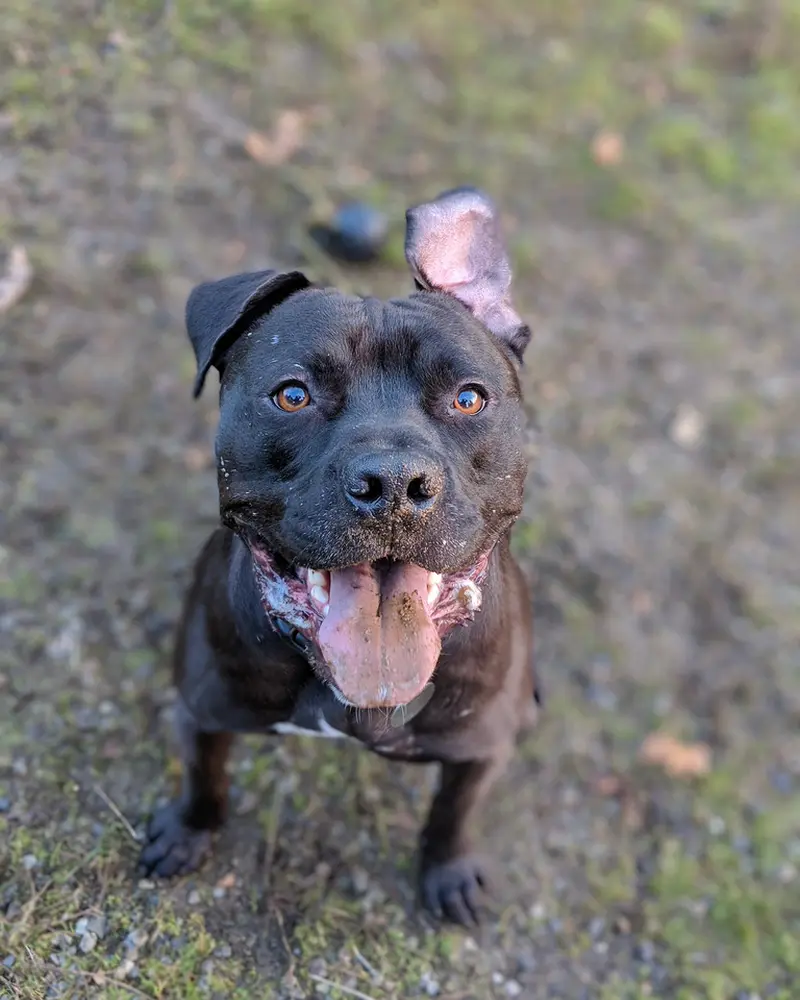
Tank 4
Big goof who walks the river trail every morning. Looking for a steady walking buddy.
- Up for playdates
- Walking buddy
- Gentle with small dogs
How to turn a hello into a regular playdate
Most dog-park friendships stall at "see you tomorrow." Here is how to get past that.
- Ask on the second or third meeting. One good play session is enough. "They get along great. Want to set up a playdate sometime?" is all it takes.
- Exchange numbers before you walk away. Good intentions die at the gate. Get the number while the dogs are still playing.
- Suggest a specific time. "Saturday at 9, same park?" gets a yes or a counteroffer. "Sometime next week" gets nothing.
- Pick neutral ground for the first planned one. A fenced field or a quiet park corner beats either home. Run through the dog playdate checklist the night before.
- Text the same day after. "Tank slept for three hours. Same time next week?" turns one playdate into a habit.
Safety and etiquette when dogs meet
- Ask first, every time. "Is your dog OK to say hi?" Some dogs are healing, in training or scared. A no is not personal.
- Follow leash rules. Keep dogs leashed where the sign says so. Leashed greetings stay short: about three seconds, then walk on.
- Read the body language. Loose, wiggly bodies, play bows and taking turns are good. Stiff bodies, hard stares, tucked tails and a raised lip mean add distance.
- Keep greetings side by side. Walking together in the same direction is easier for dogs than a head-on meeting.
- Walk away without a fuss. If either dog looks tense, say "I think we'll keep moving" and go. Nobody worth knowing will mind.
- Vaccines current, dog in good health. Skip the park if your dog has a cough, loose stool or a fresh surgery.
If you are shy
Good news: nobody is looking at you. Every eye at a dog park is on the dogs. Use that.
- Talk about the dog, not yourself. "What's his name?" and "How old?" carry most first conversations.
- Let your dog make the introduction. A friendly dog will walk up to people for you. Follow it.
- Pick smaller settings first. A training class or a breed meetup has a built-in reason to talk. A big park does not.
- Go at quiet times at first, then move to busier slots once you know one or two faces.
- Use an app for the first step. Matching before you meet means the other owner has already said yes.
- Bring a prop. A ball launcher or a bag of good treats starts conversations for you.
Common questions
Is there an app to meet other dog owners?
Yes. Pet-matching apps show dogs near you with a photo and a short bio from the owner. You swipe on dogs that would suit yours and chat with the owner when you match. PawOrPass is an upcoming app that works this way for dogs, cats and horses: paw the dogs you like, match with the owner when they paw back, and plan a playdate in chat. It is coming soon to iPhone and Android.
How do I find a friend for my dog?
Start with dogs your dog already likes. Ask your daycare or walker which dog yours plays with, and ask for an introduction to that owner. Then try a group training class or a breed meetup, where the dogs are grouped by age or breed. Look for a similar size and play style, not just a friendly owner. One steady buddy you see every week beats a new dog each time.
Where do dog owners hang out?
Dog parks at the before-work and after-dinner hours, the same neighborhood walking loops, training classes, breed meetups, dog-friendly breweries and patios, and shelter volunteer days. Online, the busiest places are local Facebook groups for your breed or your neighborhood. The same owners show up at the same time, so pick a spot and be a regular.
Is it weird to ask another dog owner for a playdate?
No. Most owners are hoping someone else will ask first. Keep it about the dogs: "They play so well together. Want to meet up again on Saturday?" Offer a specific time and a public spot. If the answer is no, it is almost always about the dog's schedule or temperament, not about you.
How often should dogs see their friends?
Once a week is a good rhythm for most adult dogs, and more often for young, high-energy dogs. Puppies do better with short, frequent play with a few known dogs than with a crowd. Watch how your dog is afterward. A dog that naps and is relaxed the next day is getting the right amount. A dog that is wound up or sore needs longer gaps.