PawOrPass
The top 5 ideas
Short on time? These five work for most pairs of dogs. Each one is explained further down.
- Sniff walk together, the best way to start any playdate
- Fenced yard off-leash play once both dogs are relaxed
- Fetch with two balls, one per dog
- Tug with rules for rainy days
- Lick mats to end on a calm note
Outdoor dog playdate ideas
Outdoor play gives dogs room to move and space to take a break. Start every outdoor playdate with a short walk together before any off-leash play.
- 1. Fenced yard off-leash play. The classic. Two dogs, a fence and nothing to guard. Pick a yard that neither dog lives in, so there is no turf to defend. Needs: a secure fence, water and shade. Suits: most adult dogs of a similar size.
- 2. Sniff walk together. Walk the dogs side by side at their pace and let them stop at every bush. Sniffing is calming and burns mental energy fast. It is the best first activity for two dogs who have just met. Needs: two leashes and poop bags. Suits: every dog, especially nervous or reactive ones.
- 3. Trail hike. A quiet trail gives both dogs a shared job: move forward and smell everything. Walking in the same direction builds a bond without face-to-face pressure. Keep leashes on where the rules require it. Needs: water for each dog, a collapsible bowl and a tick check after. Suits: fit adult dogs, and steady seniors on short routes.
- 4. Beach or lake swim. Where dogs are allowed, water play is a great leveler. Big dogs slow down and small dogs float. Watch for currents, and put a life vest on a dog that is new to water. Needs: a dog-allowed beach, towels and a rinse after salt water. Suits: retrievers, spaniels and any dog that already likes water.
- 5. Fetch with two balls. One ball per dog ends most arguments before they start. Throw them in different directions so each dog gets its own chase. Trade a ball for a treat instead of pulling it from a mouth. Needs: two identical balls and treats. Suits: ball-driven dogs with no guarding history.
- 6. Flirt pole turns. A flirt pole is a lure on a rope on a stick. Each dog gets a 30-second turn chasing it while the other waits on leash. It builds impulse control and tires a dog fast. Needs: a flirt pole, soft ground and a helper to hold the waiting dog. Suits: high-drive adults. Skip it for young puppies and dogs with joint problems.
- 7. Long-line recall games. Clip each dog to a 15 to 30 foot line in an open field. Owners stand apart and take turns calling their dog, paying with a treat each time. The dogs learn to come even with a friend nearby. Needs: two long lines and high-value treats. Suits: any dog still working on recall.
- 8. Dog-friendly patio after a walk. Walk first, then sit at a patio that welcomes dogs. The dogs practice settling next to each other while you talk. Bring a mat for each dog, spaced apart. Needs: a patio that allows dogs and two mats. Suits: calm adults and seniors who have already met.
Indoor and rainy day dog playdate ideas
Rain, heat or a small apartment does not cancel a playdate. Indoor play works best in short rounds with a calm activity between each one.
- 9. Tug with rules. Each owner plays tug with their own dog, a few feet apart. The rules: the dog drops on cue, sits before the next round, and teeth never touch skin. Then swap, and let the dogs tug one rope together if both play gently. Needs: two tug ropes. Suits: adult dogs who already know "drop it".
- 10. Hide and seek with people. One owner holds both dogs while the other hides behind a door or under a blanket. Call the dogs together and reward the one who finds you. The dogs learn to work as a team. Needs: a house with a few rooms and treats. Suits: every age, including puppies and seniors.
- 11. Find-the-treat scatter. Toss a handful of kibble across a rug or into a snuffle mat, one pile per dog in separate rooms. Sniffing for food lowers excitement in minutes. Needs: kibble or small treats, and two rooms or a baby gate. Suits: any dog that does not guard food.
- 12. Puzzle toys side by side. Give each dog its own puzzle feeder on a mat a few feet apart. They work in parallel, which is a calm way to share a room. Pick up the toys when the food is gone. Needs: two puzzle toys and two mats. Suits: food-driven dogs, no guarders.
- 13. Obstacle course from cushions. Drape a blanket over two chairs for a tunnel. Lay a broom on two books for a low jump. Pile cushions to climb. Walk each dog through on leash, then let them run it for treats. Needs: cushions, chairs, a broom and a blanket. Suits: young dogs, small dogs and agile adults. Keep jumps low.
- 14. Lick mats to wind down. Spread peanut butter with no xylitol, or plain yogurt, on a lick mat for each dog. Licking is soothing and marks the end of play. Needs: two lick mats and something soft to spread. Suits: every dog. It is the best way to finish an indoor playdate.
- 15. Training swap. Each owner teaches the other dog one easy trick, like touch, spin or paw. Five minutes per dog, lots of treats, then switch back. The dogs practice listening to a new person, and you both learn how the other dog thinks. Needs: treats, and a clicker if you use one. Suits: any dog that likes food and people.
Ideas for puppies and small dogs
Puppies and small dogs want the same fun in smaller doses. Keep sessions short and stop before anyone gets overtired or bitey.
- 16. Short sessions. Play for five to ten minutes, then rest for the same. Three rounds is a full playdate for a puppy. Needs: a timer on your phone. Suits: puppies and toy breeds.
- 17. Pen with breaks. Set up an exercise pen in the yard or living room. The dogs play inside it, then one steps out for water while the other rests. The pen keeps a wild puppy from bowling over a smaller friend. Needs: an exercise pen and water bowls. Suits: puppies, tiny dogs and any pair with a size gap.
- 18. Soft toys. Plush toys with no squeaker are easier to share than balls. Put out three or four so there is always a spare. Pick them up if either dog starts to guard. Needs: a few soft toys. Suits: puppies and gentle small dogs.
- 19. Size-matched play. The safest partner for a small dog is another small dog. If the friend is big, keep the big dog on leash for the first visit. Look for self-handicapping: the bigger dog lying down or playing softer. Needs: patience. Suits: all small dogs.
Ideas for seniors and low-energy dogs
Older dogs still want company. They just want it slower. Think shared time rather than running.
- 20. Parallel walks. Two dogs walking the same block at a gentle pace, a few feet apart. No wrestling, no chase, just company. Needs: two leashes. Suits: seniors, dogs with sore joints and dogs who do not like to be touched.
- 21. Sniffari. A sniffari is a walk where the dogs choose the route and the speed. Let them pull you from bush to lamppost for 20 minutes. It tires an old dog more than a jog would. Needs: a long leash and somewhere with lots of smells. Suits: seniors, and dogs recovering from surgery with a vet's OK.
- 22. Car ride to a new park. New smells are the senior dog's version of a party. Drive to a park neither dog has visited, walk one slow lap, then sit on a bench. Needs: a car, a harness or crate for each dog and water. Suits: dogs who like the car.
- 23. Lying in the sun together. Set two beds in a sunny spot in the yard and let the dogs nap near each other. That counts as a playdate for a 12-year-old. Needs: two beds, shade nearby and water. Suits: seniors and dogs who are done with wrestling.
Ideas for high-energy dogs
Working breeds and young athletes need a job, not just a yard. Pair two of them and give the energy somewhere to go.
- 24. Agility or sports club intro. Many clubs run drop-in beginner nights for agility, rally or flyball. Go with your playdate partner so both dogs have a familiar face. Needs: a local club and a short call ahead to ask about intro sessions. Suits: dogs over a year old with solid basic cues.
- 25. Bike or jog. Two owners, two dogs, one route. Jog side by side, or use a bike attachment that keeps the leash away from the wheel. Build up distance over weeks and skip hot days. Needs: running leashes or a bike attachment, water and paw checks after. Suits: fit adult dogs, never puppies.
- 26. Dock jumping. Dogs take turns leaping off a dock into a lake or pool after a toy. One dog jumps while the other waits on leash, then switch. Needs: a dock or pool that allows dogs, floating toys and life vests for new swimmers. Suits: water-loving retrievers, labs and mixes.
- 27. Scent games. Hide a treat or a scented cotton swab in one of five boxes and let each dog search in turn. Make it harder each round. Scent work tires a busy brain faster than running. Needs: cardboard boxes, and treats or a scent kit. Suits: hounds, herders and any dog that is bored by fetch.
Dog birthday playdate ideas
A dog birthday playdate is a normal playdate with a few extras for the people. Keep the guest list to two or three dogs your dog already knows. More dogs means more to watch and less fun for the birthday dog.
- 28. Pupcakes with dog-safe ingredients. Bake small cakes from banana, oat flour, egg and peanut butter with no xylitol. No chocolate, grapes, raisins, onion or sweeteners. Serve one small cake per dog, in separate spots. Needs: an oven and a mini muffin tin. Suits: every guest, in a small portion.
- 29. Photo spot. Hang a banner on the fence and put a bandana on each dog. Skip balloons, since pops scare dogs. Take photos one dog at a time with a treat held next to the camera. Needs: a banner, bandanas and a helper with treats. Suits: dogs who already know "sit" and "stay".
- 30. Party favors. Send each guest home with a small bag: a chew, a tennis ball and a few treats. Hand them to the owners at the door, not the dogs, so nothing gets guarded at the party. Needs: paper bags, a few treats and toys. Suits: every guest.
How to match ideas to the dogs
Pick the row that fits the smaller or lower-energy dog of the pair. The quieter dog sets the pace.
| Energy level | Size | Best ideas |
|---|---|---|
| Low | Any | Parallel walk, sniffari, sun nap, lick mats |
| Medium | Small | Pen play with breaks, soft toys, find-the-treat scatter, hide and seek |
| Medium | Medium or large | Fenced yard off-leash play, trail hike, fetch with two balls, tug with rules |
| High | Small | Cushion obstacle course, scent games, flirt pole turns kept low |
| High | Medium or large | Long-line recall games, dock jumping, bike or jog, sports club intro |
| Mixed pair | Big size gap | Sniff walk, size-matched play, puzzle toys side by side |
Signs the playdate should end
End on a good note. Stop as soon as you see any of these, even if the clock says there is time left.
- One dog keeps walking away, hiding or standing behind its owner
- A stiff body, a hard stare or a sudden freeze
- Growls that get lower and longer
- Play that is all chase and no turn-taking
- Heavy panting that does not settle, or wobbly legs on a hot day
- A puppy that gets mouthy, zoomy or whiny, which means overtired
- Either dog ignoring a recall it normally knows
Our dog playdate checklist covers introductions, the consent test and what to do if a scuffle starts.
Finding a playdate partner
Most of these ideas need a second dog with a similar size and energy. Ask at your vet, a training class or a neighbor with a dog you already like. If you want more choice, PawOrPass is an upcoming swipe app for dogs, cats and horses. You paw the dogs near you that would suit yours. When the owner paws back it is a match, and you can chat to plan the playdate. Filter for playdates and the distance you will travel. See how to meet other dog owners for more ways to find a match near you. It is coming soon to iPhone and Android.
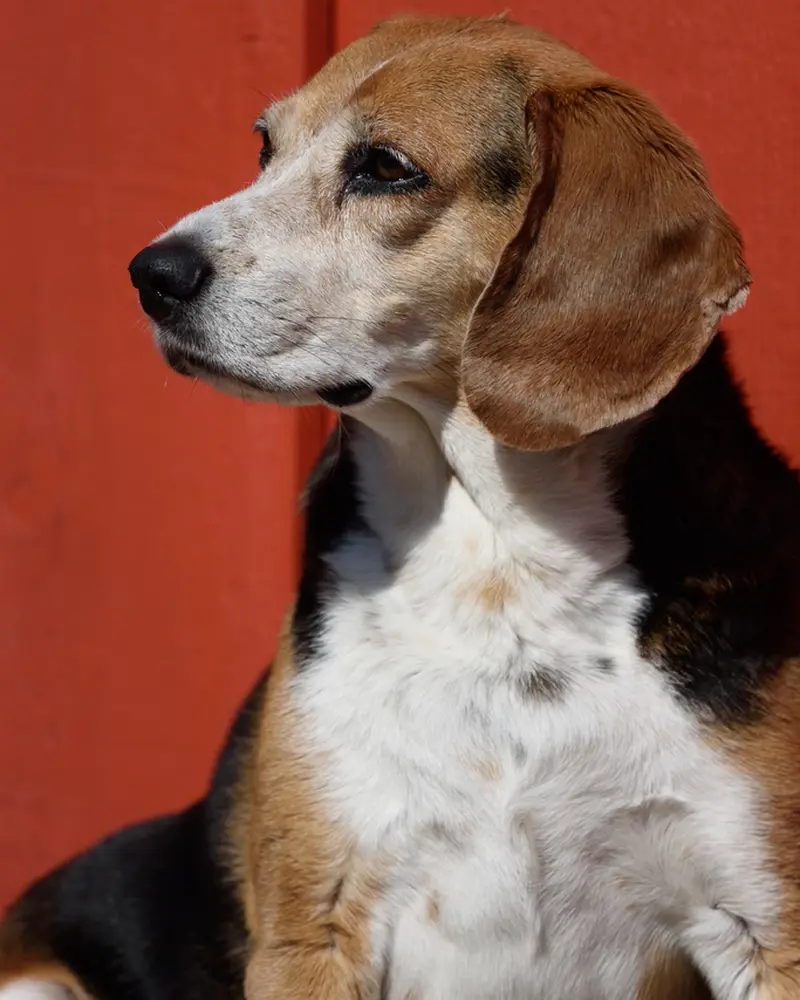
Rosie 3
Sniff walks and slow trail days. Plays gently with dogs her size.
- Up for playdates
- Loves a sniffari
- Good with small dogs
Common questions
What do you do at a dog playdate?
Start with a walk together, then let the dogs play off leash in a fenced spot if both are relaxed. Mix active games like fetch with two balls or tug with calm ones like a treat scatter. Take a water break every 10 to 15 minutes and finish with something quiet, like a lick mat.
How long should a dog playdate last?
About 20 to 30 minutes of play for a first meeting. Dogs who already get along can go up to an hour. Puppies and seniors do better with 10 to 15 minute rounds and rest between them. Stop while both dogs still want more.
What are good indoor dog playdate ideas?
Tug with rules, hide and seek with the people, a find-the-treat scatter and puzzle toys side by side. A cushion obstacle course and a training swap also work well. Finish with lick mats. Use a baby gate or separate rooms for anything with food.
How do I throw a dog birthday playdate?
Invite two or three dogs your dog already knows. Bake pupcakes with dog-safe ingredients and set up a photo spot on the fence. Hand party favors to the owners at the door. Keep it to about an hour, with water, shade and a quiet room for any dog that needs a break.
Do dogs need playdates?
Not every dog, but many enjoy them. Play with a well-matched friend burns energy, builds social skills and gives a dog something to look forward to. Some dogs prefer people, one old friend or a parallel walk, and that is fine too. Watch whether your dog comes back for more and rests well afterward.