PawOrPass
When can puppies have playdates?
Sooner than most new owners expect, as long as you pick the playmate with care. Puppies usually get their first shots around 8 weeks and the last one around 16 weeks. The social window runs through that same stretch. So many vets and trainers now suggest safe contact during the series, not after it.
Safe contact means dogs whose health you know, in places where sick or unknown dogs have not been. It does not mean dog parks, pet store floors, or sidewalks that every dog in town has used.
| Puppy age | What kind of contact is OK | Where |
|---|---|---|
| 8 to 10 weeks | One calm adult dog you know well, fully vaccinated and healthy. Short visits. | Your home, or the other dog's clean home and yard. |
| 10 to 14 weeks | Known adult dogs as above, plus other puppies in a vet-run or trainer-run puppy class that asks for shot records. | Clean homes, private fenced yards, the class room. |
| 14 to 16 weeks | Puppy socials and classes, plus one-on-one play with a similar-sized puppy whose owner you have talked to. | Indoor training rooms, private fenced yards. |
| After your vet clears your puppy | Any healthy dog with a known owner. First short visits to quiet parks and trails. | Fenced yards, quiet parks at off-peak times, then dog parks once your puppy plays with confidence. |
These are typical ranges, not rules. Shot schedules differ by region, by vet and by the puppy's history. Your vet knows the local disease picture and should have the final say on timing.
Why the socialization window matters
Puppies go through a short stretch when new things feel interesting instead of scary. It runs from about 3 weeks to somewhere between 12 and 16 weeks. A puppy who meets friendly dogs, kind strangers and odd sounds in this window tends to grow into a relaxed adult. After it closes, new things get a wary first look, and fears take longer to undo.
That is why trainers push for early, careful puppy socialization instead of waiting. The goal is not a lot of dogs. It is a handful of good experiences with the right dogs. One gentle adult who ignores rude puppy behavior teaches more than ten strangers at a park.
Quality beats quantity in another way too. A scary moment in this window can stick just as hard as a good one. A big dog that bowls your puppy over at 10 weeks can leave a dog who fears big dogs at 2 years. So every early playdate is worth setting up with care.
What a good first puppy playdate looks like
Keep it small, short and calm. Here is the shape of a first playdate that goes well.
- One dog, not a group. Pick one calm, fully vaccinated adult dog known to be gentle with puppies, or one puppy of similar size and age. Two puppies of the same size can wrestle without anyone getting squashed.
- A clean, fenced, quiet spot. A living room or a private yard is ideal. Put toys, chews and food bowls away before the dogs meet.
- Let the puppy choose. Set your puppy down and let it approach on its own. Do not carry it over to the other dog or push it forward.
- Ten to fifteen minutes. That is plenty for a young puppy. End it while both dogs are still happy.
- Breaks every few minutes. Call the dogs apart, give a treat, let them settle, then let them go back. Breaks keep a puppy from tipping into overtired, bitey play.
- Stop at the first sign of fear. Tucked tail, hiding behind your legs, trying to climb up you, or freezing in place. Pick the puppy up calmly, give it some distance, and try again another day. Pushing through fear makes it worse, not better.
A good first playdate often looks like not much. Some sniffing, a few bouncy moves, a nap afterward. That is a win.
Where to find puppy playdates near you
Most new owners do not have a puppy-friendly dog next door. A search for "puppy playdates near me" mostly turns up daycares and trainers. Those work, but there are more options. Here they are, roughly in the order worth trying.
- Your vet clinic. Many clinics run puppy classes or puppy socials in a cleaned room. They check shot records at the door, which makes them one of the safest early options. Ask at your next visit.
- Trainer puppy socials. Local trainers often hold weekly puppy play sessions with a trainer watching every pair. You learn to read play while your puppy learns to play. Search for "puppy social" or "puppy kindergarten" with your town name.
- Pet store puppy hours. Some pet stores host puppy hours in a training room. Ask whether they require shot records and clean the floor between groups. If they do not, skip it until your puppy is cleared.
- Breed clubs. If you have a purebred puppy, the local breed club often knows every young dog of that breed in the area. The breeder you got your puppy from may also know which littermates live nearby.
- Neighbors and friends with young dogs. A friend's calm adult dog is the classic first playmate. Ask around at work, on your street and in your building. Our guide to meeting other dog owners has more ways to ask.
- Daycare puppy rooms. Some daycares have a separate puppy room with its own staff and its own rules on shots. Visit first and watch how they split dogs by size and age.
- Pet-matching apps. PawOrPass is an upcoming swipe app for dogs, cats and horses, coming soon to iPhone and Android. You paw dogs near you, and if the owner paws back it is a match and you can chat. A profile can say "puppy, up for playdates", so you can look for another puppy of the same size. See how pet matching works.
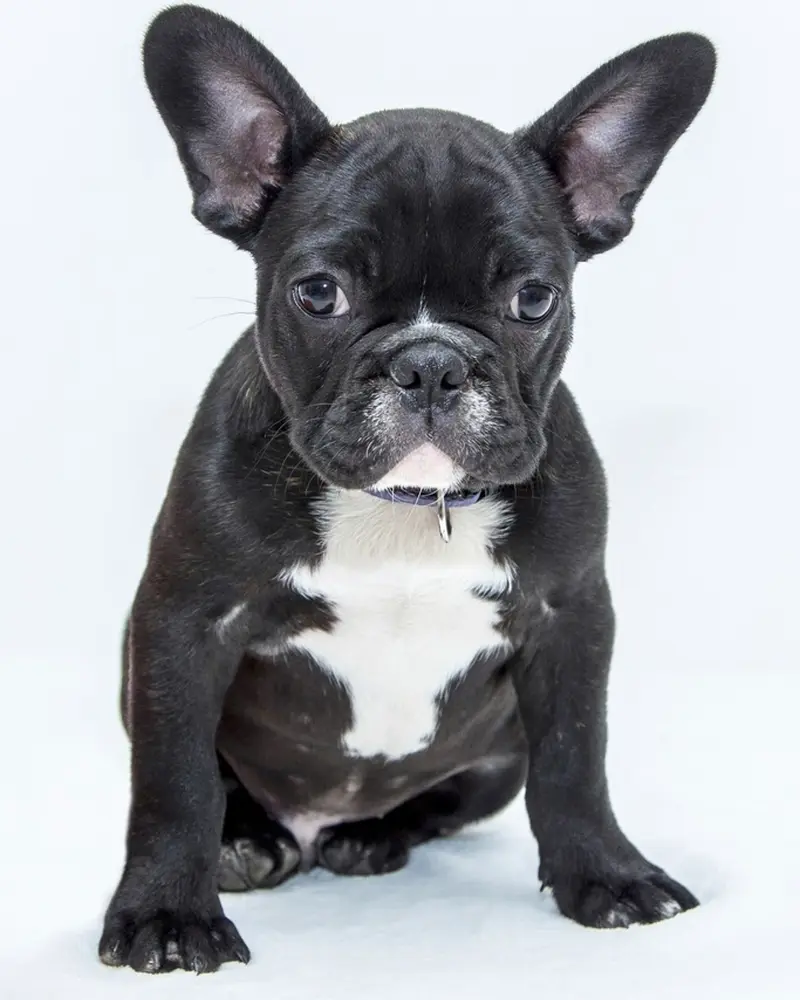
Otis 4 mo
Shots done and vet cleared. Looking for a calm puppy pal his own size.
- Up for playdates
- Small and bouncy
Whichever route you take, ask the same questions before the first meeting. Age, size, shots, how the dog is with puppies, and whether it has been sick in the last two weeks.
Health checklist before a playdate
Puppies pick up bugs easily, so the health check is short but not optional. Our dog playdate checklist covers the full list for any age. These are the puppy-specific items.
- Your puppy has had the shots your vet expects for its age, and the vet has said one-on-one play with known dogs is OK
- Your puppy has been dewormed on the schedule your vet set, with a recent stool check
- Flea and tick prevention has started, if your vet has cleared it for your puppy's age and weight
- The other dog is fully vaccinated, healthy, and not coughing, scratching or having stomach trouble
- The other dog has not been to a dog park, shelter or boarding kennel in the last two weeks
- The meeting place is a clean home or private yard, not a park or a sidewalk used by unknown dogs
- No shared water bowls, and no shared chews
- Carry your puppy from the car to the door in places where other dogs have walked
Parvo and other puppy illnesses live in soil and on surfaces where sick dogs have been. That is the whole reason for the "known dogs, clean places" rule. Once your vet clears your puppy, the rule relaxes.
Reading puppy body language
Puppies are easier to read than adults because everything is bigger and sillier. Look for these signs.
Happy play
- Play bow. Front end down, rear end up, tail going. This is an invitation to play.
- Bouncy, loose moves. Exaggerated hops, rolling over, pawing at the other dog's face, a soft open mouth.
- Taking turns. The chaser becomes the chased. The one on top lets the other one up.
- Short pauses. A shake-off, a sniff of the ground, then back in.
Time to step in
- Stiff body. Bouncy turns into straight lines and a tight, still body.
- Tucked tail, flat ears, hiding. Your puppy is asking for a break.
- Pinning that does not stop. One dog on top, the other unable to get up or get away.
- Yelping that does not pause the play. A yelp should make the other dog back off for a second. If it does not, split them.
- Nonstop mouthing of ears and legs. Overtired puppies get grabby. That means the playdate is over.
The consent test
Not sure your puppy is enjoying it? Gently hold the other dog back for a few seconds and watch your puppy. If it bounces right back for more, the game is fine. If it wanders off, sniffs the ground, or comes to you, it needed the break. Give both dogs a minute before they start again. Run the test the other way too, with your puppy held, if the other dog is the smaller one.
What to bring
- Water and a bowl for each dog
- Small, soft treats for calling your puppy away and for rewarding calm moments
- A light leash, kept on but loose for the first minute if the puppy has never met a dog
- Poop bags and a towel
- A chew or snuffle mat for the calm-down time afterward, used once the other dog is out of the room
- Your puppy's shot record, since classes and socials ask for it
Leave the favorite toys at home. Puppies rarely guard yet, but a prized toy is the easiest way to start.
How often should a puppy have playdates?
Two or three short sessions a week is plenty during the socialization window. More does not help if the puppy is tired, and a tired puppy makes bad choices. Spread playdates out, keep each one short, and let the puppy nap afterward.
Mix dog play with other kinds of puppy socialization. Car rides, new floors, people in hats, a visit to a quiet cafe patio in your arms. Dog play is one part of the picture, not all of it.
Once your puppy is cleared and past 4 months, one or two regular playmates seen often beat a new dog every time. Puppies learn the most from a dog they know and trust.
Mistakes to avoid
- Dog parks too early. Unknown health, unknown dogs, crowding at the gate. Parks are for after the vet clears your puppy and it has learned to play with known dogs first.
- Big dogs that bowl them over. A friendly 70-pound dog can flatten a 10-pound puppy in play. Match size, or pick an adult known to go gentle with small dogs.
- Too long. Thirty minutes of play is too much for a 12-week-old. Stop at 10 to 15 minutes, before the overtired biting starts.
- Forcing a scared puppy. Carrying a frightened puppy toward the other dog, or holding it in place, teaches that dogs mean being trapped. Back up and let the puppy set the pace.
- Letting rough play "work itself out." Puppies do not sort it out on their own. Step in early and calmly.
- Skipping the breaks. Nonstop play tips into frantic play. Call them apart every few minutes.
- Only meeting one type of dog. Once cleared, let your puppy meet calm dogs of different sizes, coat types and ages, so none of them looks strange later.
Common questions
When can puppies have playdates?
Most puppies can have careful playdates from about 8 to 10 weeks. The playmate should be a healthy, fully vaccinated dog you know, and the place a clean home or private yard. Group settings such as puppy classes usually start partway through the shot series and ask for records. Dog parks and unknown dogs wait until your vet clears your puppy, often a week or two after the last shot. Ask your vet about your own puppy's timing.
Can my puppy meet other dogs before all shots?
Yes, with limits. Known, healthy, fully vaccinated adult dogs in clean homes are widely considered safe early playmates. Many vets encourage it, because the socialization window closes around 12 to 16 weeks. Avoid dogs and places with an unknown health history until your vet says the series is done and protection has kicked in.
How long should a puppy playdate last?
Ten to fifteen minutes of play is plenty for a young puppy, with short breaks every few minutes. End it while both dogs still want more. Overtired puppies get grabby and bitey, which is the usual sign a playdate went too long.
Where can I find puppy playdates near me?
Start with your vet clinic, which may run puppy classes. Then try local trainers' puppy socials, pet store puppy hours, breed clubs, daycare puppy rooms, and friends with calm adult dogs. Pet-matching apps are another route. PawOrPass is an upcoming swipe app for dogs where you paw dogs near you and match with the owner to plan a playdate.
Is a dog park OK for a puppy?
Not at first. Dog parks mix unknown dogs with unknown health histories, and the crowding at the gate can scare a puppy. Wait until your vet clears your puppy, then start with quiet times and short visits, after it has learned to play with known dogs.